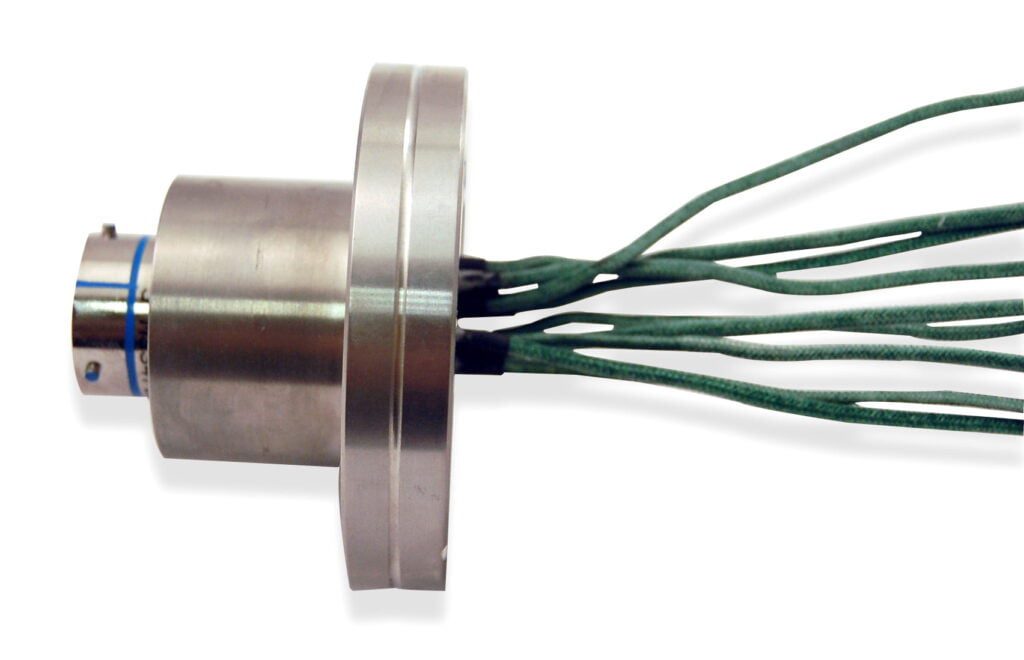
Introduction
Hermetic feedthroughs play a crucial role in high-temperature systems, where electrical connections must remain reliable under extreme heat. They are designed to maintain airtight seals and signal integrity, making them essential for industries such as aerospace, power generation, and industrial processing. Selecting the right feedthrough ensures system safety, durability, and consistent performance even in challenging thermal conditions.
Why High-Temperature Environments Require Hermetic Feedthroughs
High-temperature systems can cause conventional connectors to fail due to:
- Material expansion and contraction
- Degradation of insulation
- Loss of hermetic sealing
Hermetic feedthroughs are specifically engineered to withstand these thermal stresses, maintaining airtight seals and stable electrical performance in environments that can exceed hundreds of degrees Celsius.
Materials and Construction
Materials play a critical role in high-temperature hermetic feedthrough. Common materials include:
- Ceramic: Excellent thermal resistance and electrical insulation
- Glass-to-metal seals: Maintain hermeticity under rapid temperature changes
- High-temperature alloys: Provide mechanical strength and durability
These materials ensure the feedthrough retains structural integrity and prevents leaks in high-temperature applications.
Electrical Performance at High Temperatures
Hermetic feedthroughs are designed to handle power, signals, and high frequencies even in extreme heat. They:
- Minimize signal loss and interference
- Maintain insulation resistance
- Support high-voltage or high-current applications
This reliability is essential for systems such as industrial furnaces, aerospace engines, and power electronics, where failure could lead to costly downtime or safety risks.
Applications in High-Temperature Systems
High-temperature hermetic feedthroughs are used in a variety of industries, including:
- Aerospace: Sensors, actuators, and control systems in engines or spacecraft
- Industrial manufacturing: High-temperature furnaces and reactors
- Energy and power: Turbines, generators, and electrical transformers
In each case, hermetic feedthroughs ensure consistent electrical connections and system integrity despite extreme thermal stress.
Design Considerations
When selecting hermetic feedthroughs for high temperatures, consider:
- Maximum operating temperature and thermal cycling requirements
- Type of electrical signals (power, RF, or data)
- Environmental factors such as pressure, vibration, or chemical exposure
Proper design ensures that the feedthrough performs reliably and extends the life of the system.
Testing and Reliability
High-temperature hermetic feedthroughs must undergo rigorous testing, including:
- Thermal cycling to simulate operating conditions
- Electrical insulation and continuity tests
- Leak testing to ensure hermetic integrity
These tests guarantee performance under extreme heat, preventing unexpected failures in critical applications.
Final Thoughts
Hermetic feedthroughs are indispensable in high-temperature environments, providing airtight sealing, reliable electrical performance, and mechanical stability. Selecting the right feedthrough—based on materials, design, and application—ensures that high-performance systems operate safely and efficiently, even under extreme thermal conditions.
About the Author