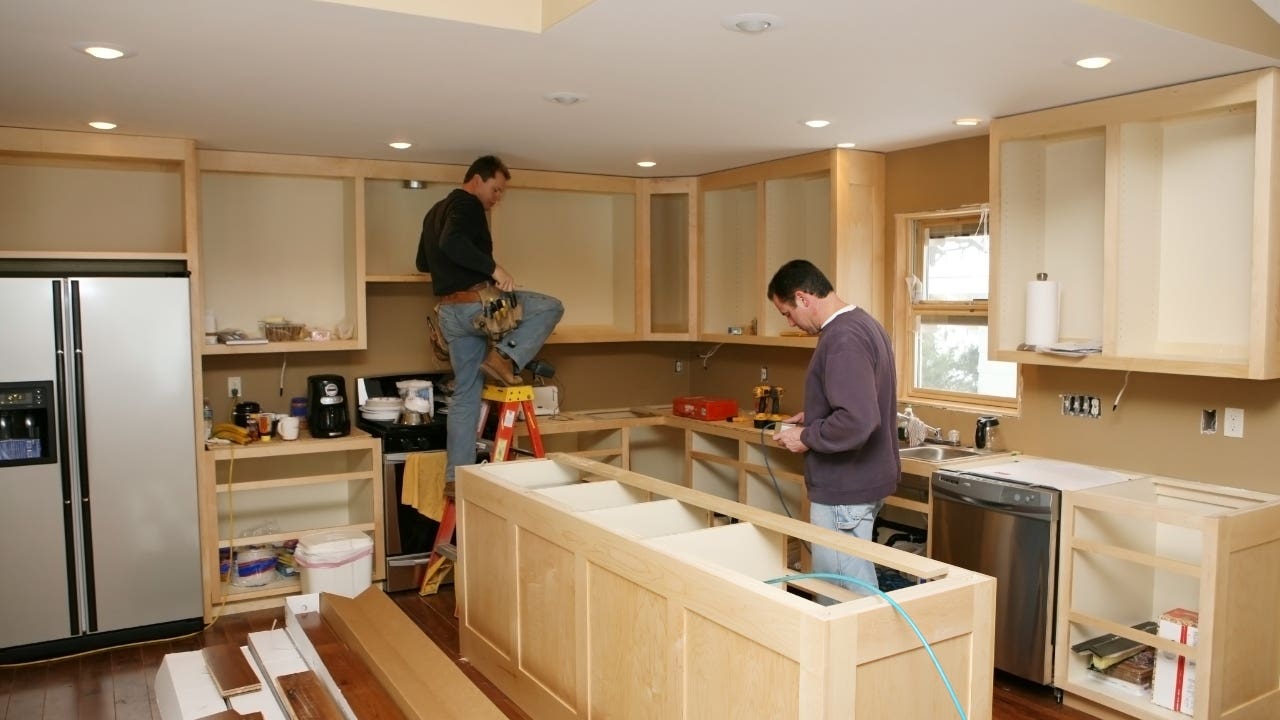
Home renovations are an exciting opportunity to breathe new life into your space. Whether it’s updating a tired kitchen, adding an extra bedroom, or simply upgrading your bathroom, these improvements can transform your living environment. However, financing such projects can feel overwhelming, especially when budgets can quickly spiral out of control. Thankfully, with the right approach and smart financial strategies, you can save for renovation and achieve your dream home without putting unnecessary strain on your finances. Let’s explore how you can make your renovation goals a reality through affordable renovation planning and effective finance home upgrades strategies.
Start with a Clear Budget and Plan
The first step in saving for your renovation is creating a realistic plan and budget. Without this foundation, it’s easy to overspend or get sidetracked by unexpected costs. Begin by outlining the scope of your project. What exactly do you want to achieve? Are you focusing on cosmetic updates or larger, structural changes? Be specific in your goals.
Once you have a clear vision, break down the costs. Research the materials, labor, and any additional costs associated with your project. It’s essential to include a contingency fund for unforeseen expenses—renovations often come with surprises, and having extra money set aside can prevent stress down the road.
In your affordable renovation planning, it’s also important to prioritize. Decide which aspects of the renovation are most important and which could be postponed or scaled back. This will help you save for renovation more effectively by focusing your efforts on the essential parts first.
Establish a Dedicated Savings Account
One of the most effective ways to save for renovation is by setting up a dedicated savings account. This strategy keeps your renovation funds separate from your regular savings and reduces the temptation to dip into them for non-renovation-related expenses.
Consider opening a high-yield savings account to maximize the growth of your funds over time. Although the interest earned may not make a huge difference, it’s still a helpful way to ensure your money is growing while you save. Set up automatic transfers into this account to make saving effortless. By treating this account as a “pay yourself first” system, you can ensure consistent contributions to your renovation fund.
Cut Unnecessary Expenses
Saving for a renovation requires discipline. Cutting back on non-essential expenses is a great way to free up more money for your project. Take a close look at your monthly spending habits. Are there subscriptions you no longer use? Could you cook more at home instead of dining out? Could you downgrade your cable or streaming services?
Another effective tactic is reducing impulse purchases. By giving yourself a small buffer for planned splurges and committing to larger savings goals, you can make sure you’re setting aside significant funds for your home upgrades. For instance, skipping a few nights out each month or cutting down on unnecessary shopping can add up quickly and provide you with a healthy renovation budget.
Take Advantage of Tax Refunds or Windfalls
If you’re lucky enough to receive a tax refund or any unexpected windfalls, consider using that money for your renovation. Whether it’s a bonus from work, a gift, or any extra income you didn’t plan on, it can serve as a helpful boost to your finance home upgrades fund.
However, instead of spending it immediately, put this unexpected money directly into your dedicated savings account. This approach can significantly accelerate your progress toward your renovation goals without impacting your regular budget.
Consider Alternative Financing Options
If your savings aren’t enough to cover the full cost of your renovation, there are several alternative financing options to explore. These options allow you to fund larger projects while still maintaining control over your financial health.
Personal Loans
If you prefer not to tap into your home equity, a personal loan might be the right solution. These loans often come with fixed interest rates and repayment terms, making them easy to manage. By borrowing a set amount for your project, you can finance your home improvements without putting your property at risk.
Home Equity Line of Credit (HELOC)
For homeowners with significant equity, a home equity line of credit (HELOC) can be a flexible financing solution. This option gives you access to a revolving line of credit that can be used as needed. It’s especially helpful for ongoing or phased renovations, as you can borrow and repay funds as your project progresses.
0% Financing or Special Loan Offers
Some home improvement stores offer special 0% financing for a limited time on certain purchases. This can be a great way to finance your materials without paying interest, provided you can pay it off within the promotional period. Just be sure to read the fine print to avoid unexpected fees or interest after the promotional period ends.
Take Advantage of DIY Projects
One of the easiest ways to save money on renovations is by taking on some DIY tasks. While more complex jobs like plumbing or electrical work should be left to professionals, there are many tasks you can handle yourself. Painting, landscaping, or even installing new hardware on cabinets can make a significant impact without the added cost of labor.
However, it’s important to be realistic about your skills. Taking on tasks outside your expertise can lead to mistakes, which could cost you more in the long run. For jobs within your ability, though, DIY renovations can be an excellent way to reduce your overall costs.
Seek Out Cost-Effective Materials
Another smart way to save on your home upgrades is by choosing cost-effective materials. There are many affordable options on the market that can mimic the look and feel of high-end materials. For example, laminate countertops can resemble marble, and vinyl flooring can imitate hardwood. These materials can give your home the same aesthetic appeal at a fraction of the cost.
Additionally, consider repurposing existing materials or buying secondhand items. Salvaged furniture, light fixtures, or building materials can provide a unique touch to your renovation without the steep price tag.
Utilize Grants and Incentives
In some cases, government programs or local organizations offer grants or incentives for specific types of home improvements, particularly those that focus on energy efficiency or sustainability. If you’re upgrading insulation, installing solar panels, or replacing windows, you may be eligible for rebates or tax credits. Research available programs in your area to potentially reduce your renovation costs.
Conclusion
Financing your renovation doesn’t have to be overwhelming. With the right approach, including smart financial strategies and disciplined saving, you can fund your dream home upgrades without compromising your financial stability. Whether you rely on a dedicated savings account, reduce unnecessary spending, or explore financing options, the key is affordable renovation planning that aligns with your goals. By making thoughtful choices and staying committed to your budget, your home improvement dreams are well within reach.
About the Author